Killing the Vibe
I also hate J.K. Rowling, but we gotta stop sharing everything that “feels right” in an era of misinformation, slop, and endless confirmation biases.

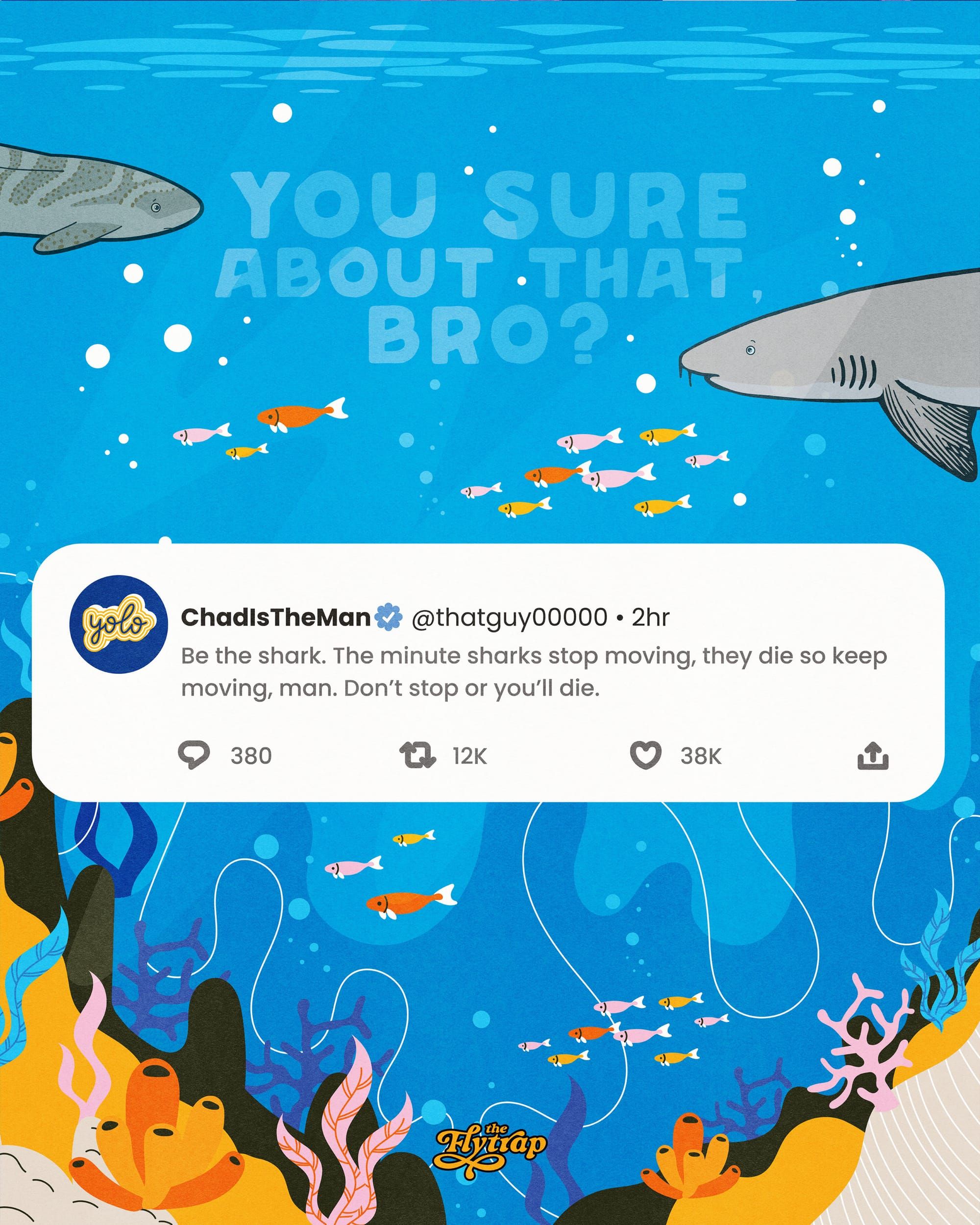
For decades, some Harry Potter fans, critics, people in publishing, educators, and other assorted opiners have claimed that the Harry Potter series sparked a reading renaissance, offering a generation of children a gateway into reading. But a few weeks ago, my skyline—the cheeky term for the front page of Bluesky—was occupied by an interesting conversation: Why does it feel as though dedicated Harry Potter fans only read books from the series, with little interest in reading anything else in the wide world of literature? Some posters argued that the Harry Potter books didn’t actually make kids read more; they just kept reading and re-reading those books, never progressing further. Rather than singling anyone in particular out, I’m simply looking at the larger trend here.
As a dedicated J.K. Rowling hater who can never resist an opportunity to dunk on her books and those who shamelessly persist in engaging with her cultural output, that argument felt right to me. It aligned with my personal vibes. When my friends in publishing and I talk about it, we nod in general agreement. (“You know other books exist, right??”) The group chat collectively rolls our eyes about the millennials clinging desperately to Harry Potter nostalgia and conflating the books with childhood itself. I brought the conversation to The Flytrap’s Slack, where other collective members also vibed with this sentiment.
Maybe I should write about it, I proposed. I started doing some research. If you’re going to make a claim this significant, then there should be factual evidence to back it up, right? Poring over a sprawling tangle of threads, I found numerous posters claiming there was supporting evidence, but no one was providing it. No one, it seemed, had the stats handy, but they’d definitely seen them somewhere.
I started to smell a rat. I kept digging. I pored through decades of data on children’s reading habits, reading habits in general, and sales numbers. Where was the neat and convenient survey connecting people who read Harry Potter in childhood with future reading habits? Better yet, where was a longitudinal study connecting reading habits over time with childhood reading preferences?
Do we want to move fast and break things, or do we want to take care and apply critical analysis to everything we share?