
Come to Brazil (with a "Z")!
How imperialism turned Brazilian culture into a commodity.

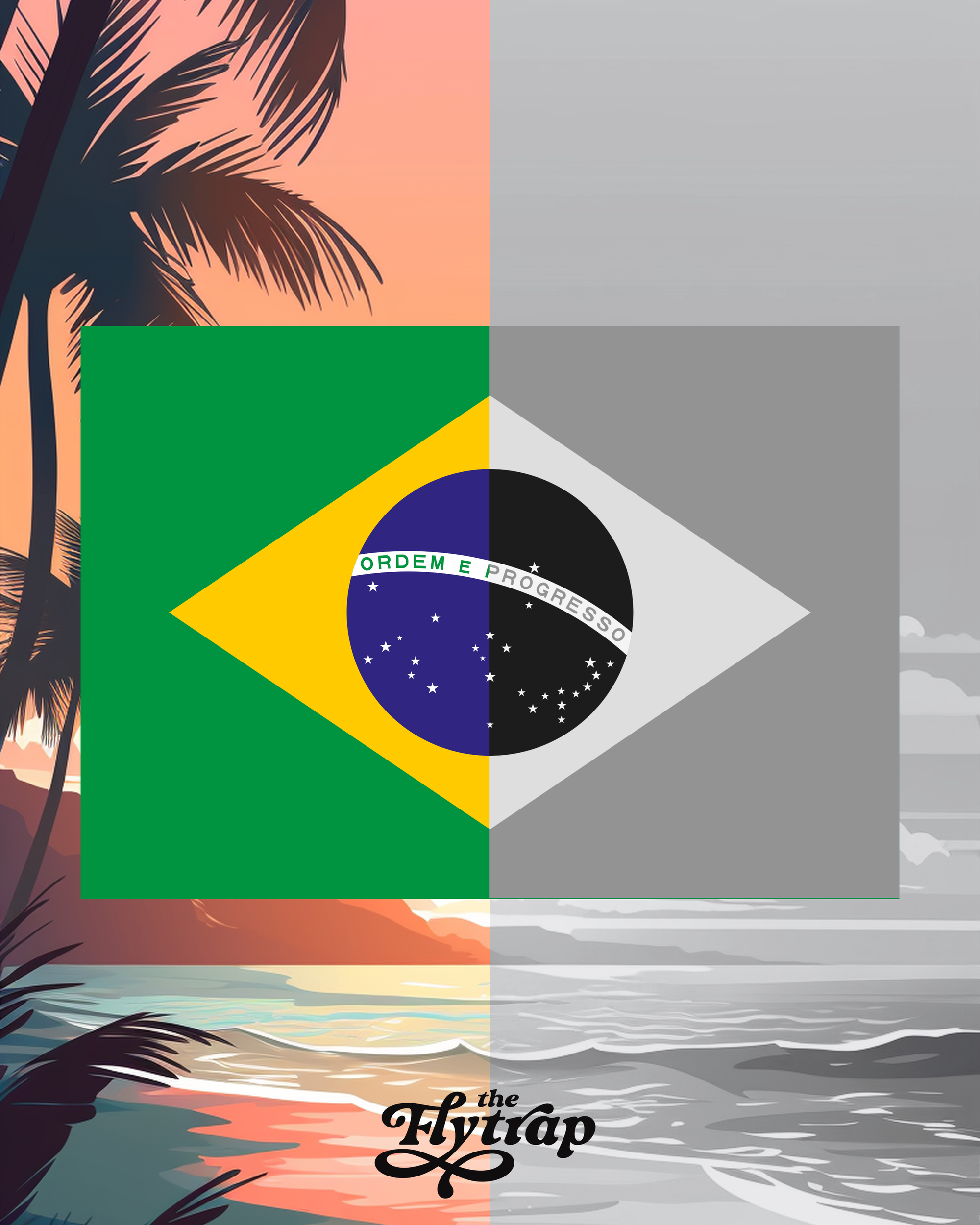
After years of Brazilians begging people to “please come to Brazil,” the relentless online campaign for international attention has finally paid off. It’s a fact certified by the highest echelons of branding: A recent piece published by Vogue declared “Brazilcore” a summer trend ripe for “brands [to] tap in.” Brazil is officially in, and up for grabs.
The article, illustrated with a collage of different able-bodied, thin people wearing the iconic yellow and green national colors of my tropical country of origin (and where I currently live), details the “key pieces” that define the trend, allegedly “all borrowed from the Brazilian wardrobe and creeping into the summer’s street style.”
There’s the national team’s soccer jersey, which I only personally wear during the FIFA Men’s World Cup, lest I be confused for a far-right nationalist; Havaianas, which, fair, since I wear the iconic flip-flops every day; Y2K-style mirrored sunglasses; and a “bright palette of canary yellow, navy blue and vivid green that catches the eye,” which no serious person in Brazil is wearing outside of the FIFA Men’s World Cup.
Brazilian designer Cece Hamali told Vogue that the trend, which has been worn by celebrities like Rosalía and Emily Ratajkowski, is “an entry point for the foreigner,” a condensed version of Brazilianness (“brasilidade”), “or at least what those outside the country imagine it to be, into a single look.” But it’s more than a single look that is intriguing to consumers, Ana Beatríz Reitz Gameiro, the writer of the Vogue piece, reports. The recent success of the films I’m Still Here (2024) and The Secret Agent (2025) as well as this year’s FIFA Men’s World Cup are also driving the trend.
“In a world where everything is curated, the trend turns casualness into something desirable,” Gameiro writes, before adding that the ultimate selling point is that Brazilcore feels more “authentic” to consumers than other fashion trends. But at what cost?
As I watch the fragmentation of Brazilian culture through multiple spheres, I wonder if subverting the gaze of the Global North and reclaiming our self-esteem is at all possible under imperialism.